
Our Blogs
Check out what's new at Compassionate Hands Acupuncture on our blog.
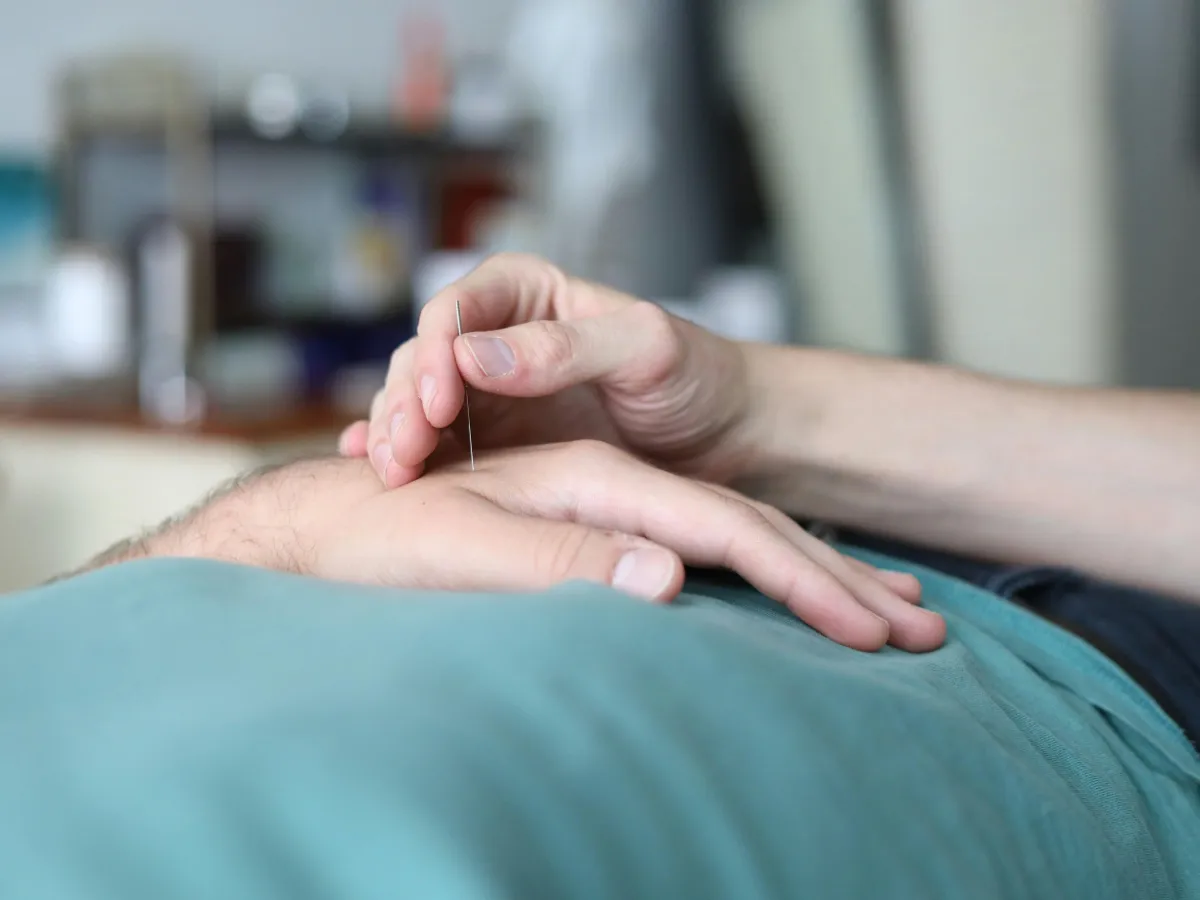
Debunking Acupuncture Myths for Wellness & Pain Relief
Acupuncture, Wellness Practices, Alternative Medicine
Acupuncture Myths Debunked: What You Really Need to Know for Pain, Fertility, Stress, and Wellness
Acupuncture has been practiced for thousands of years, yet many people still feel unsure about what it is, how it works, and whether it’s right for them. At Compassionate Hands Acupuncture, we meet people every week who are curious but held back by myths and misconceptions. This guide clears up the most common acupuncture myths so you can make informed, confident choices about Pain Relief Acupuncture, Fertility Acupuncture, Stress Management, and long‑term wellness practices.
Ancient Roots, Modern Medicine: Where Acupuncture Fits Today
Acupuncture originated in China more than 2,000 years ago and has been refined across generations. While its language and concepts—like “qi” and meridians—come from traditional East Asian medicine, modern research has begun to explain many of its effects in terms of the nervous system, circulation, and inflammation. Today, acupuncture is recognized as a form of alternative medicine that also works well as a complement to conventional care, not a replacement for it.
Across hospitals, pain clinics, fertility centers, and integrative practices, acupuncture is increasingly used alongside conventional medicine. Many physicians now refer patients for Pain Relief Acupuncture after surgery, for chronic back or neck pain, or when medications alone are not enough. Fertility specialists may recommend Fertility Acupuncture to support blood flow, stress reduction, and menstrual regularity during IVF or other treatments. This collaborative approach reflects a growing understanding: people do best when they have a full toolkit of safe, evidence‑informed wellness practices to draw from.
Myth 1: “Acupuncture Is Just Placebo”
One of the most persistent Acupuncture Myths is that it “only works if you believe in it.” While your mindset and expectations can influence any treatment, research has shown that acupuncture can create measurable changes in the body. Studies have found that acupuncture can trigger the release of endorphins (your body’s natural pain relievers), modulate pain pathways in the brain and spinal cord, and influence blood flow and inflammatory markers. These changes have been observed even in people who arrived skeptical or unsure.
💡 Pro Tip: You do not have to “believe in” acupuncture for it to help you. What matters most is working with a qualified practitioner who tailors care to your needs and collaborates with your medical team when appropriate.
Myth 2: “Acupuncture Is Extremely Painful”
Many people picture large hypodermic needles and assume acupuncture must hurt. In reality, acupuncture uses very thin, hair‑fine needles—much smaller than those used for injections or blood draws. Most clients at Compassionate Hands Acupuncture describe the sensation as a brief, mild pinch, a dull ache, or a warm, spreading feeling that quickly settles into relaxation. Some points may feel more sensitive than others, but intense pain is not part of a typical treatment.
If you are especially nervous, your acupuncturist can start with fewer points, use extra‑gentle techniques, or focus on acupressure and non‑needle methods until you feel more comfortable. Respecting your comfort and safety is central to any responsible, professional acupuncture clinic.
Acupuncture for Pain: Beyond Temporary Relief
Pain Relief Acupuncture is one of the most researched and widely used applications of this therapy. People seek acupuncture for headaches and migraines, neck and back pain, arthritis, sports injuries, menstrual cramps, and more. While every person responds differently, many notice a combination of immediate and gradual benefits: less pain, improved mobility, better sleep, and a greater sense of ease in their body.
Neurological effects: Acupuncture can influence how pain signals are processed in the nervous system, sometimes “turning down the volume” on chronic pain.
Circulation and tissue healing: By improving local blood flow, acupuncture may support healing in muscles, tendons, and joints.
Stress and tension: Because pain and stress are closely linked, calming the nervous system often reduces muscle guarding and pain flare‑ups.
At Compassionate Hands Acupuncture, Pain Relief Acupuncture plans are personalized. Your practitioner considers not only where you hurt, but also your posture, sleep, digestion, energy, and stress levels. This holistic view helps address root contributors to pain instead of chasing symptoms alone.
Acupuncture for Fertility: Support, Not Substitution
Fertility Acupuncture is another area where myths arise. Some people are told that acupuncture alone can “guarantee” pregnancy; others are warned it is useless. The truth is more balanced. Acupuncture cannot replace medical evaluation or necessary treatments, but it can be a valuable part of a comprehensive fertility plan for individuals and couples.
It may help regulate menstrual cycles and support ovulation patterns.
It can promote blood flow to the uterus and pelvis, creating a more supportive environment for implantation.
It offers powerful Stress Management support at a time that is often emotionally and physically demanding.
Many clients use Fertility Acupuncture while working with reproductive endocrinologists for IUI or IVF. In these cases, your acupuncturist coordinates timing with your medical treatments and communicates openly with your healthcare team when possible. This respectful collaboration is central to our approach at Compassionate Hands Acupuncture: we support your journey, we don’t replace your doctors.

Thoughtful collaboration and clear communication help acupuncture complement your existing care.
Acupuncture for Stress Management and Emotional Balance
Modern life exposes us to constant pressure—work demands, family responsibilities, digital overload, and health worries. Over time, chronic stress can disrupt sleep, digestion, hormones, immunity, and mood. Many people now turn to acupuncture as part of their Stress Management and mental wellness practices because it offers a deeply calming reset for the nervous system.
During a session, your body shifts toward the “rest and digest” state. Breathing slows, muscles soften, and racing thoughts often quiet. Clients frequently report better sleep, fewer anxiety spikes, and a greater capacity to cope with daily challenges. Acupuncture can work alongside therapy, medication (when needed), mindfulness, and lifestyle changes to create a more stable, resilient foundation for emotional health.
📌 Key Takeaway: Acupuncture is not a quick fix for stress, but a gentle, cumulative practice that supports your body’s natural ability to recover and rebalance.
Acupuncture for Overall Wellness: Not Just for When Something Is “Wrong”
Another common misunderstanding about acupuncture is that it’s only for serious pain or complex conditions. In reality, many people use acupuncture as a regular wellness practice—similar to massage, yoga, or meditation—to maintain balance and prevent problems from escalating. Sessions can be tailored to support digestion, sleep, immune health, menstrual comfort, energy levels, and more, even when you’re not in crisis.
At Compassionate Hands Acupuncture, we often see clients move from weekly visits during an acute phase to monthly or seasonal “tune‑ups” for maintenance. This mindful prevention approach aligns with traditional views of health: caring for the whole person regularly, rather than waiting until symptoms are overwhelming. Over time, consistent acupuncture can help you feel more grounded in your body, more aware of early warning signs, and more empowered to make choices that support long‑term wellness.
Safety, Personalization, and What to Expect in a Session
When performed by a licensed, well‑trained practitioner using sterile, single‑use needles, acupuncture is considered very safe. Minor side effects—like slight bruising or temporary soreness—are possible but usually brief. Serious complications are rare, especially in clinics that prioritize safety, clear communication, and careful assessment of your medical history and current medications.
Your first visit typically includes a detailed conversation about your health goals, symptoms, lifestyle, and medical background.
Your acupuncturist develops a personalized plan, including how many sessions are recommended and how progress will be measured.
Sessions are typically relaxing; many people nap or drift into a meditative state during treatment.
This personalized, respectful approach is at the heart of Compassionate Hands Acupuncture. We see every client as a whole person—not just a diagnosis—and we work with you to create safe, lasting results that fit your life, values, and existing medical care.
Moving Beyond Myths to Informed Choice
Acupuncture has survived and evolved over thousands of years for a reason: many people experience meaningful benefits, whether they are seeking pain relief, fertility support, stress management, or overall wellness. While Acupuncture Myths can create hesitation or confusion, you don’t have to navigate this alone. By looking at both tradition and modern research—and by choosing practitioners who value safety, personalization, and collaboration—you can decide if acupuncture is a good fit for your unique situation.
If you are curious about how Pain Relief Acupuncture, Fertility Acupuncture, or stress‑focused treatments might support your health, a conversation is a good next step. At Compassionate Hands Acupuncture, we are committed to providing clear information, compassionate listening, and evidence‑informed guidance so you can make choices that feel right for you.
Ready to explore acupuncture for your health goals? Book an appointment with Compassionate Hands Acupuncture to discuss a personalized, safe, and holistic plan that supports your pain, fertility, stress, and overall wellness journey.

Frequently Asked Questions
What is acupuncture?
Acupuncture is an effective form of health care that has evolved into a complete and holistic medical system. Practitioners of acupuncture and Chinese medicine have used this noninvasive medical system to diagnose and help millions of people get well and stay healthy. An acupuncturist will place fine, sterile needles at specific acupoints on the body. This activates the body’s Qi and promotes natural healing by enhancing recuperative power, immunity and physical and emotional health. It also can improve overall function and well-being. It is a safe, painless and effective way to treat a wide variety of medical problems.
What will my acupuncturist do?
During the initial exam a full health history will be taken. Questions will be asked regarding symptoms, health and lifestyle. Your acupuncturist also may check pulses and your tongue and may conduct a physical exam. This information is then organized to create a complete, accurate and comprehensive diagnosis of where Qi has become blocked or imbalanced. After the interview process, you may receive an acupuncture treatment. Visits with your acupuncturist may last from thirty to ninety minutes.
How safe is acupuncture?
Acupuncture is extremely safe. It is an all-natural, drug-free therapy, yielding no side effects just feelings of relaxation and well-being. There is little danger of infection from acupuncture needles because they are sterile, used once, and then discarded.
How many treatments will I need?
The number of treatments will vary from person to person. Some people experience immediate relief; others may take months or even years to achieve results. Chronic conditions usually take longer to resolve than acute ones. Plan on a minimum of a month to see significant changes. Treatment frequency depends on a variety of factors: your constitution, the severity and duration of the problem and the quality and quantity of your Qi. An acupuncturist may suggest one or two treatments per week, or monthly visits for health maintenance and seasonal “tune ups”.
Get A Free Consultation
Follow Us
Follow Us
Monday: 8:30am - 6:00pm
Tuesday: 11:00am - 6:30pm | New patients only
Wednesday: 9:00am - 5:00pm
Thursday: 9:00am - 5:00pm
Friday: 8:30am - 6:00pm
Saturday: 9:00am - 3:00pm | New patients only
Sunday: Closed
© Copyright 2026 Compassionate Hands Acupuncture, PC. All rights reserved.