
Our Blogs
Check out what's new at Compassionate Hands Acupuncture on our blog.

Holistic Support for Reproductive Plans | Mind-Body Care
How Holistic Support Can Complement Your Reproductive Plans
Holistic reproductive support brings nutrition, stress care, movement, emotional wellness, and complementary therapies into the same conversation as fertility planning. It is not a replacement for medical care, IVF, IUI, or guidance from your physician; it is a supportive layer that helps you care for your body and mind through a deeply personal process. Whether you are trying naturally, preparing for treatment, navigating pregnancy, or simply wanting to feel more grounded, a whole-person approach can make the path feel less isolating and more intentional.

What does holistic reproductive support include?
Holistic reproductive support includes practical lifestyle, emotional, and therapeutic tools that may help create a healthier foundation for conception and pregnancy. Instead of focusing only on one lab value, one cycle, or one procedure, it looks at the wider picture: stress, sleep, nutrition, cycle patterns, digestion, movement, relationships, and the emotional weight of waiting.
For many people, this approach feels empowering because it gives them something constructive to do between appointments, test results, or treatment cycles. The goal is not to chase perfection. It is to build steady habits and receive care that supports reproductive health while respecting the medical plan already in place.
Common areas of support include:
Nutrition:Whole foods, balanced meals, hydration, and blood sugar stability.
Mind-body fertility practices:Meditation, breathwork, gentle yoga, visualization, and emotional support.
Complementary therapies:Acupuncture, massage, and other body-based care from qualified practitioners.
Herbal and supplement guidance:Careful, individualized use only with professional oversight.
Lifestyle refinement:Sleep routines, movement, toxin awareness, and stress recovery.
Pregnancy support:Holistic pregnancy care that helps comfort, calm, and resilience alongside prenatal care.
Nutrition creates a steadier foundation
Food cannot guarantee conception, but it can support the systems involved in reproductive wellness. A nutrient-dense pattern built around colorful plants, quality proteins, whole grains, and healthy fats helps the body receive the raw materials it needs for hormones, energy, and cellular health. This matters for both egg and sperm quality, so fertility nutrition should never be framed as only one partner’s responsibility.
A simple fertility-supportive plate might include leafy greens, berries, beans or lentils, eggs or fish when appropriate, nuts, seeds, olive oil, avocado, and whole grains. These foods bring antioxidants, fiber, minerals, and fats that help support overall metabolic and hormonal balance. At the same time, reducing highly processed foods, excess added sugar, and frequent alcohol intake can help create a more stable internal environment.
Try focusing on consistency rather than strict rules:
Add a protein source to breakfast to support energy and reduce cravings.
Eat a variety of colorful produce across the week.
Include healthy fats such as nuts, seeds, olive oil, or avocado.
Choose slow-digesting carbohydrates like oats, quinoa, brown rice, or sweet potatoes.
Keep snacks simple, such as fruit with nut butter or yogurt with berries.
Avoid extreme diets unless advised by a qualified medical professional.
Mind-body fertility care supports the nervous system
Fertility planning can become emotionally consuming. Tracking, timing, appointments, uncertainty, and comparison can keep the body in a constant state of tension. Mind-body fertility care helps interrupt that stress loop by giving the nervous system regular cues of safety, rest, and steadiness.
Practices such as meditation, breathwork, gentle yoga, journaling, and guided imagery are not about “thinking positive” through pain. They are about making room for the real emotions of the process while helping the body recover from chronic stress. When practiced consistently, they can support sleep, mood, body awareness, and a calmer relationship with each cycle.
A helpful weekly rhythm may include:
Five minutes of slow breathing before bed.
A short walk after meals to support circulation and mood.
Gentle stretching during the luteal phase or during treatment waiting periods.
A weekly check-in with a therapist, support group, partner, or trusted friend.
A brief visualization practice focused on calm, warmth, and self-compassion.
The emotional side of fertility deserves real care. Feeling grief, anger, jealousy, or exhaustion does not mean you are doing anything wrong. It means you are human, and holistic support should make space for that humanity.
Complementary therapies can work alongside medical fertility care
Acupuncture, massage, and other supportive therapies are often used by people preparing for natural conception, IVF, IUI, or pregnancy. These approaches may help promote relaxation, support circulation, ease muscle tension, and create a regular moment of care during a process that can feel clinical and overwhelming. The key is integration, not substitution.
If you are working with a reproductive endocrinologist, OB-GYN, midwife, or primary care clinician, keep them informed about any complementary therapies you use. This is especially important with herbs and supplements. Options such as chasteberry, maca root, or red raspberry leaf are commonly discussed in fertility and pregnancy spaces, but they are not appropriate for everyone and may interact with medications, hormones, treatment protocols, or pregnancy considerations.
Before adding herbs or supplements, ask:
Is this safe with my current medications or fertility protocol?
Is it appropriate for my diagnosis, cycle pattern, or pregnancy status?
Who is recommending it, and what training do they have?
How long should I use it before reassessing?
What signs would mean I should stop?
A responsible holistic practitioner will welcome collaboration, avoid promising outcomes, and encourage you to keep your medical team in the loop.
How can you personalize support across the cycle?
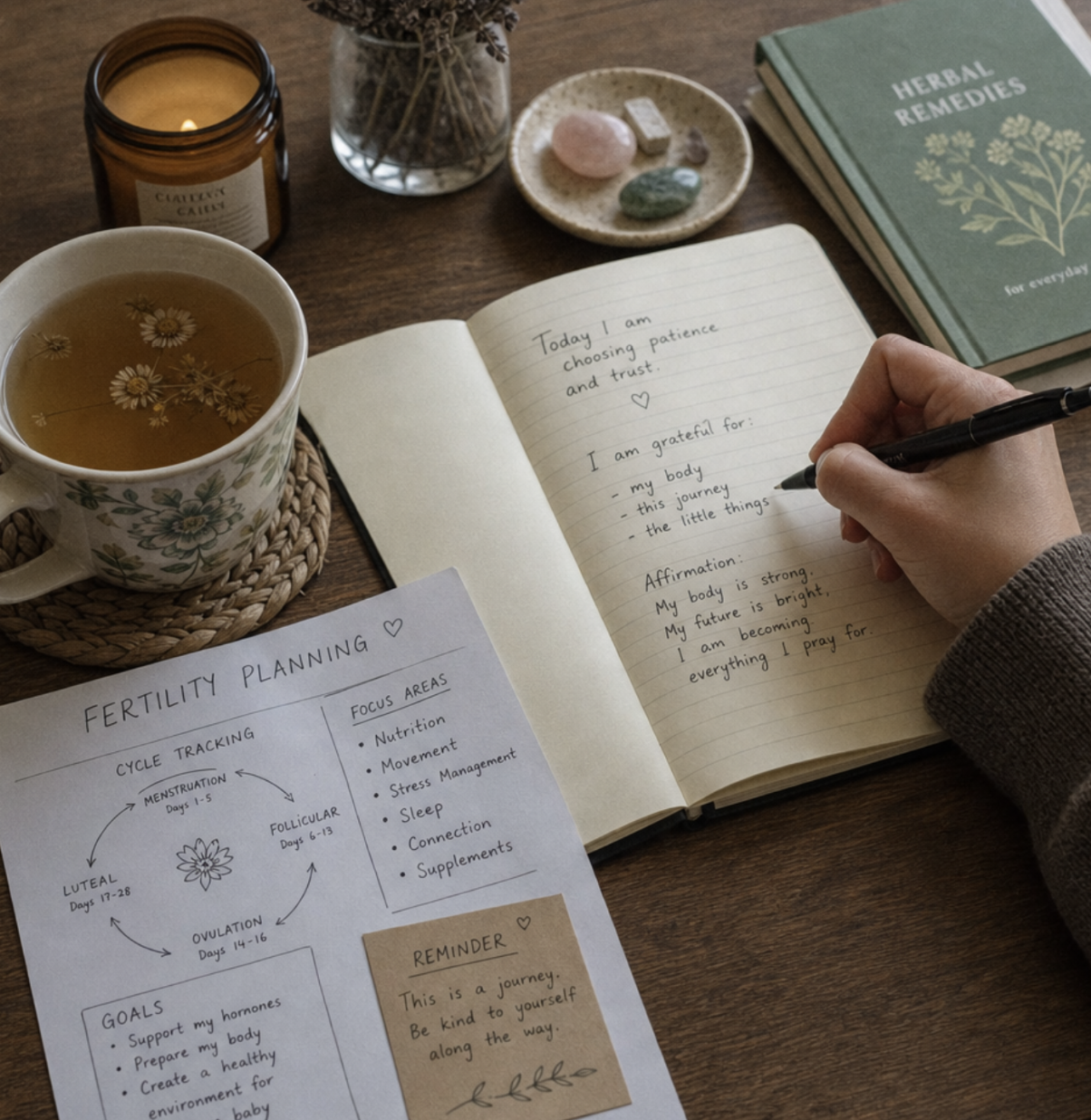
Cycle-aware care means adjusting habits to the body’s changing needs instead of forcing the same routine every day. While every person’s cycle is different, many people find it helpful to observe energy, mood, cervical fluid, sleep, appetite, and stress patterns across the month. This can reveal where extra nourishment, rest, movement, or emotional support may be useful.
Around menstruation, rest and iron-rich foods may feel supportive. In the follicular phase, some people have more energy for movement, meal planning, and social connection. Around ovulation, hydration, gentle activity, and emotional ease can help the body feel supported. In the luteal phase, steady meals, lower-intensity exercise, and more sleep may be helpful as the body prepares either for pregnancy or another cycle.
This approach can also support male fertility factors. Sperm health is influenced by overall wellness, including nutrition, sleep, stress, heat exposure, alcohol intake, and environmental factors. A holistic plan should include both partners when relevant, because reproductive health is shared even when treatment focuses on one body.
Choosing the right holistic practitioner matters
Because fertility and pregnancy involve sensitive medical and emotional factors, practitioner fit is important. Look for someone who listens carefully, explains their approach clearly, and understands how to support clients who are also receiving conventional care. You should never feel blamed, rushed, or pressured into a one-size-fits-all protocol.
A good practitioner should be able to discuss your goals, cycle history, stress levels, treatment timeline, pregnancy status, and comfort level. They should also be transparent about what their care can and cannot do. Holistic reproductive support is strongest when it is compassionate, realistic, and tailored to the person in front of them.
Signs of a supportive fit include:
They ask about your medical team and current plan.
They avoid guarantees or fear-based language.
They explain why they recommend a therapy or lifestyle change.
They personalize care for natural conception, IVF, IUI, pregnancy, or postpartum needs.
They respect your budget, energy, and emotional bandwidth.
A grounded next step
Reproductive planning can ask a lot of your body and your heart. Holistic care offers a way to support both, with steady practices that nourish your health, calm your nervous system, and complement the medical decisions you make with your providers. You do not have to do everything at once; even one supportive change can help you feel more connected to yourself during the process.
If you are ready to explore fertility support in a compassionate, personalized setting, book a complimentary consultation with Compassionate Hands Acupuncture. It is a simple next step to discuss your goals, ask questions, and learn how holistic reproductive support may fit into your fertility or pregnancy care plan.

Frequently Asked Questions
What is acupuncture?
Acupuncture is an effective form of health care that has evolved into a complete and holistic medical system. Practitioners of acupuncture and Chinese medicine have used this noninvasive medical system to diagnose and help millions of people get well and stay healthy. An acupuncturist will place fine, sterile needles at specific acupoints on the body. This activates the body’s Qi and promotes natural healing by enhancing recuperative power, immunity and physical and emotional health. It also can improve overall function and well-being. It is a safe, painless and effective way to treat a wide variety of medical problems.
What will my acupuncturist do?
During the initial exam a full health history will be taken. Questions will be asked regarding symptoms, health and lifestyle. Your acupuncturist also may check pulses and your tongue and may conduct a physical exam. This information is then organized to create a complete, accurate and comprehensive diagnosis of where Qi has become blocked or imbalanced. After the interview process, you may receive an acupuncture treatment. Visits with your acupuncturist may last from thirty to ninety minutes.
How safe is acupuncture?
Acupuncture is extremely safe. It is an all-natural, drug-free therapy, yielding no side effects just feelings of relaxation and well-being. There is little danger of infection from acupuncture needles because they are sterile, used once, and then discarded.
How many treatments will I need?
The number of treatments will vary from person to person. Some people experience immediate relief; others may take months or even years to achieve results. Chronic conditions usually take longer to resolve than acute ones. Plan on a minimum of a month to see significant changes. Treatment frequency depends on a variety of factors: your constitution, the severity and duration of the problem and the quality and quantity of your Qi. An acupuncturist may suggest one or two treatments per week, or monthly visits for health maintenance and seasonal “tune ups”.
Get A Free Consultation
Follow Us
Follow Us
Monday: 8:30am - 6:00pm
Tuesday: 11:00am - 6:30pm | New patients only
Wednesday: 9:00am - 5:00pm
Thursday: 9:00am - 5:00pm
Friday: 8:30am - 6:00pm
Saturday: 9:00am - 3:00pm | New patients only
Sunday: Closed
© Copyright 2026 Compassionate Hands Acupuncture, PC. All rights reserved.