
Our Blogs
Check out what's new at Compassionate Hands Acupuncture on our blog.
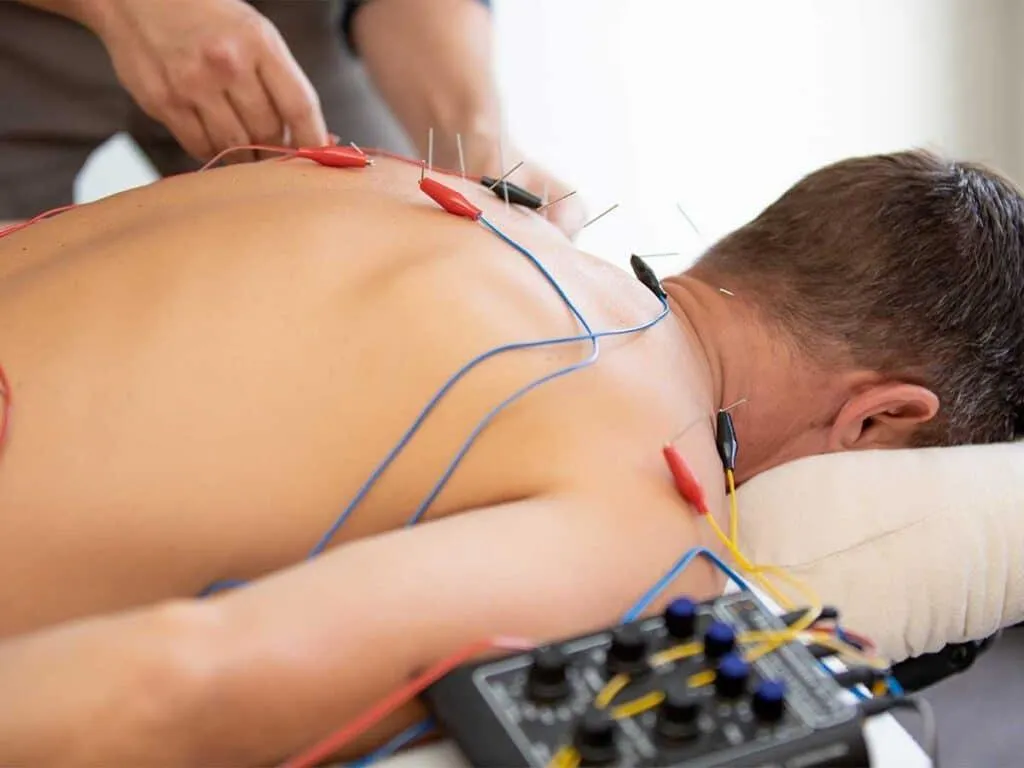
Needle-Free vs Needle Acupuncture: Effective Choices
Needle-Free Acupuncture vs Needle Acupuncture
Acupuncture is a key component of traditional Chinese medicine. It involves stimulating specific points on the body to promote healing.
There are two main types: needle acupuncture and needle-free acupuncture. Both aim to balance the body's energy, known as "Qi" or "Chi."
Needle acupuncture uses thin needles inserted into the skin. This method is well-researched and widely accepted in the medical community.
Needle-free acupuncture offers a non-invasive alternative. It uses methods like acupressure, laser, or electrical stimulation.
Choosing between these approaches depends on personal preference and treatment goals. Understanding their effectiveness and benefits can help you make an informed decision.
Understanding Acupuncture: Traditional and Modern Approaches
Acupuncture dates back thousands of years. It is rooted in the ancient belief of balancing the body's energy. This balance is vital for health and well-being.
Modern advancements have led to the development of needle-free techniques. These techniques cater to those wary of needles. They are seen as an evolution of the traditional practice.
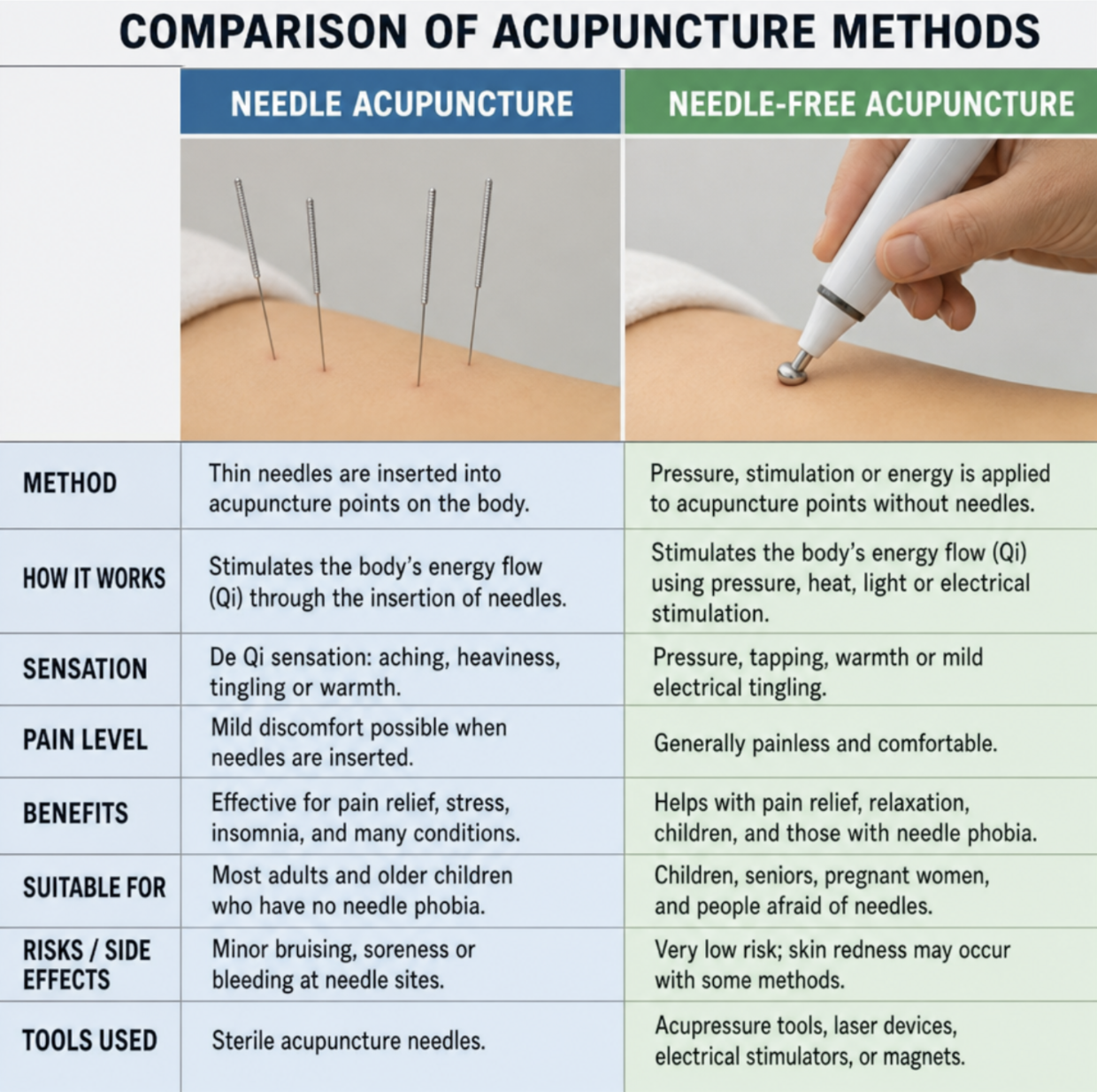
Both traditional and modern acupuncture aim for the same goal. They seek to restore harmony in the body. Here's how they compare:
Traditional acupuncture: Uses thin needles.
Needle-free acupuncture: Employs acupressure, lasers, or electrical pulses.
Both: Focus on energy flow and well-being.
Understanding these approaches helps recognize their shared and unique features. It broadens the scope of acupuncture practice.
What Is Needle Acupuncture?
Needle acupuncture is the traditional form of this ancient practice. It involves placing very thin needles into specific points of the body. These points are chosen to promote health and energy flow.
The focus of needle acupuncture is on "Qi" or energy. Practitioners believe that unblocking energy pathways can relieve pain and stress. Each session is tailored to the patient's unique needs.
Benefits of needle acupuncture often observed include:
Relief from chronic pain and tension.
Reduction in stress and anxiety levels.
Improvement in sleep quality and relaxation.
Though it may seem intimidating, many find needle acupuncture deeply relaxing. Despite using needles, the process is usually not painful. In trained hands, it can be both safe and effective, fitting well into a holistic healing plan.
What Is Needle-Free Acupuncture?
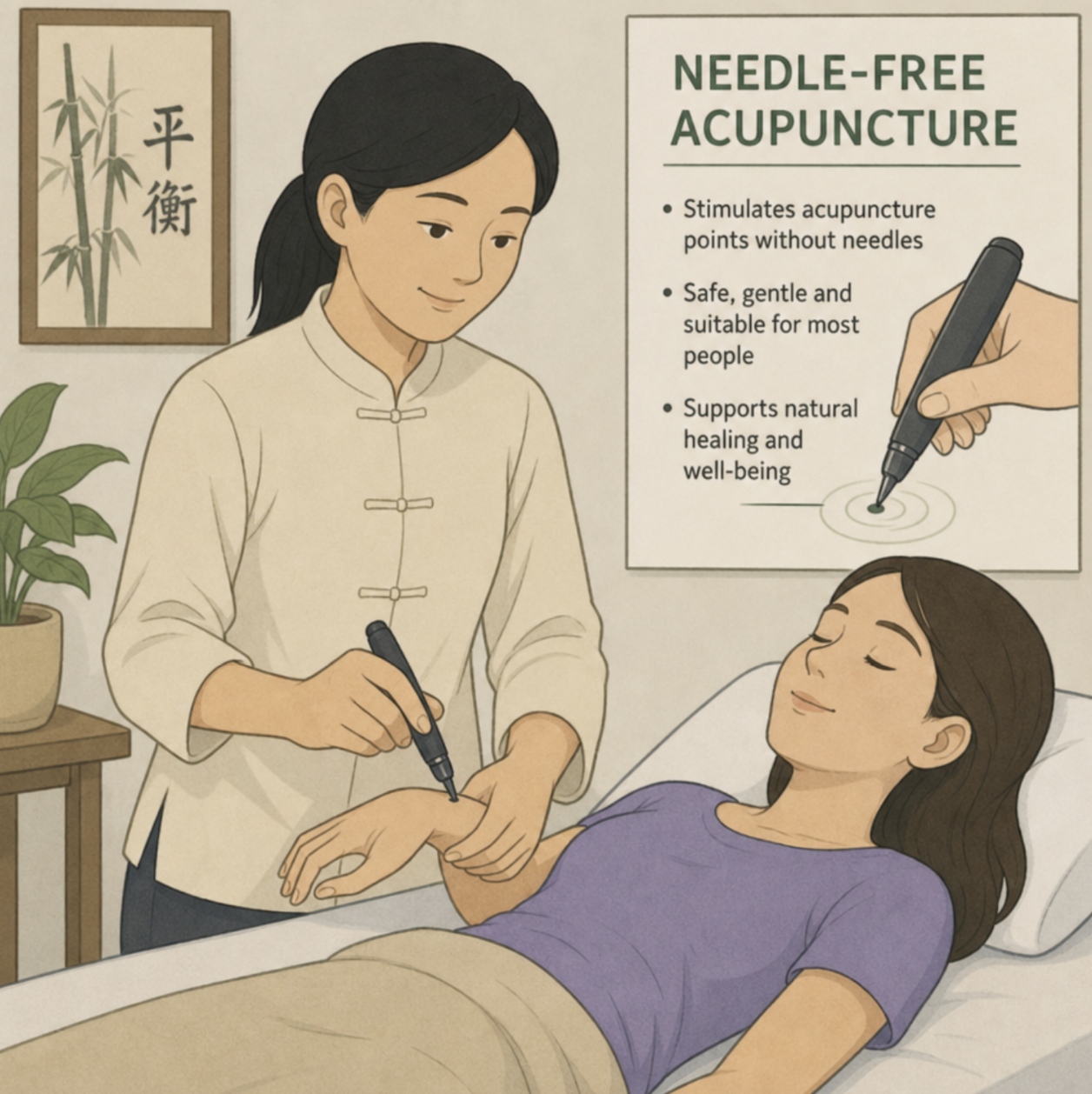
Needle-free acupuncture offers an alternative to traditional methods. It uses different techniques to stimulate acupuncture points without needles. This method is ideal for those wary of needle use.
Several techniques represent needle-free acupuncture, such as acupressure, laser therapy, and TENS (transcutaneous electrical nerve stimulation). These methods focus on enhancing energy flow without piercing the skin. Such options make acupuncture accessible to more individuals.
Here's a look at some needle-free acupuncture techniques:
Acupressure:Applying pressure to acupuncture points using fingers or tools.
Laser Therapy:Using low-level lasers to activate points.
TENS:Delivering electrical impulses to stimulate nerves.
Needle-free acupuncture can be a gentle introduction for beginners. It provides an opportunity to experience the benefits of acupuncture without the fear of needles. Each technique, while unique, supports energy healing and holistic well-being.
Comparing Effectiveness: Needle vs Needle-Free Acupuncture
The effectiveness of acupuncture often hinges on personal needs and conditions. Both needle and needle-free methods aim to enhance energy flow and promote healing. Choosing between them depends on several factors.
Needle acupuncture is traditionally recognized and well-researched. Some studies indicate it may provide deeper benefits for certain ailments. For instance, conditions like chronic pain and migraines often respond well to needle-based treatments.
On the other hand, needle-free acupuncture offers a less invasive approach. It suits those with needle phobia or sensitive skin, widening the therapy's appeal. However, it might require more frequent visits to match the effectiveness of needle acupuncture.
Here’s a quick comparison of their effectiveness:
Needle Acupuncture:Often more impactful for long-term or severe conditions.
Needle-Free Acupuncture:More accessible, may need more sessions.
General Benefits:Stress relief, pain management, improved well-being.
Ultimately, the choice comes down to personal preference, treatment goals, and comfort with the procedure. Both options can be effective, but individual experiences might vary.
Benefits of Each Approach
Each acupuncture style boasts unique advantages, contributing to its popularity. Understanding these benefits helps in selecting the best approach for your needs.
Needle acupuncture has a strong reputation for delivering profound therapeutic effects. Its precision can lead to significant improvements in pain relief and emotional balance. Patients often report a deep sense of relaxation during and after sessions.
Needle-free acupuncture, meanwhile, offers convenience and comfort, especially for beginners. This method appeals to those seeking non-invasive treatments. It's an ideal choice for individuals who are apprehensive about needles.
Consider the following benefits of both methods:
Needle Acupuncture:Deep relaxation, enhanced pain management.
Needle-Free Acupuncture:Non-invasive, suitable for all ages, no risk of puncture.
Shared Benefits:Energy balancing, stress reduction, health improvement.

By evaluating these benefits, individuals can identify the approach that aligns with their lifestyle and health objectives.
How to Choose the Right Acupuncture Method for You
Selecting an acupuncture method tailored to your personal needs can be pivotal. Consider your comfort level with needles as a primary factor. If needles cause anxiety, a needle-free option may suit you better.
Your health goals also play a crucial role in this decision. Needle acupuncture might be more effective for chronic pain management. Conversely, needle-free techniques are perfect for those seeking a gentle introduction to holistic healing.
Consulting with a qualified practitioner can provide further clarity. Their expertise can guide you based on your medical history and treatment preferences.
Here’s how to decide:
Assess your comfort with needles.
Define your primary health goals.
Seek professional advice for personalized recommendations.
By weighing these aspects, you can make an informed choice that aligns with your wellness journey.
Integrating Acupuncture into Holistic Healing and Energy Healing
Acupuncture seamlessly integrates with holistic healing, enhancing its comprehensive approach. It treats not only symptoms but addresses overall well-being, aligning with the principles of energy healing. By focusing on restoring balance, acupuncture supports the body's natural healing processes.
Incorporating acupuncture into your health regimen can be transformative. When combined with a balanced lifestyle, it amplifies benefits and promotes harmony.
Here’s how acupuncture fits into holistic healing:
Complements lifestyle changes such as diet and exercise
Enhances relaxation and stress reduction
Improves energy flow and supports mental clarity
By weaving these practices together, you foster a nurturing environment for holistic transformation and sustained wellness.
Final Thoughts: Making an Informed Decision
Selecting between needle and needle-free acupuncture requires personal reflection. Consider your comfort, health goals, and preferences. Both approaches offer unique benefits and can lead to improved well-being. Consulting with a skilled practitioner will guide you in making the best choice for your holistic healing journey.

Frequently Asked Questions
What is acupuncture?
Acupuncture is an effective form of health care that has evolved into a complete and holistic medical system. Practitioners of acupuncture and Chinese medicine have used this noninvasive medical system to diagnose and help millions of people get well and stay healthy. An acupuncturist will place fine, sterile needles at specific acupoints on the body. This activates the body’s Qi and promotes natural healing by enhancing recuperative power, immunity and physical and emotional health. It also can improve overall function and well-being. It is a safe, painless and effective way to treat a wide variety of medical problems.
What will my acupuncturist do?
During the initial exam a full health history will be taken. Questions will be asked regarding symptoms, health and lifestyle. Your acupuncturist also may check pulses and your tongue and may conduct a physical exam. This information is then organized to create a complete, accurate and comprehensive diagnosis of where Qi has become blocked or imbalanced. After the interview process, you may receive an acupuncture treatment. Visits with your acupuncturist may last from thirty to ninety minutes.
How safe is acupuncture?
Acupuncture is extremely safe. It is an all-natural, drug-free therapy, yielding no side effects just feelings of relaxation and well-being. There is little danger of infection from acupuncture needles because they are sterile, used once, and then discarded.
How many treatments will I need?
The number of treatments will vary from person to person. Some people experience immediate relief; others may take months or even years to achieve results. Chronic conditions usually take longer to resolve than acute ones. Plan on a minimum of a month to see significant changes. Treatment frequency depends on a variety of factors: your constitution, the severity and duration of the problem and the quality and quantity of your Qi. An acupuncturist may suggest one or two treatments per week, or monthly visits for health maintenance and seasonal “tune ups”.
Get A Free Consultation
Follow Us
Follow Us
Monday: 8:30am - 6:00pm
Tuesday: 11:00am - 6:30pm | New patients only
Wednesday: 9:00am - 5:00pm
Thursday: 9:00am - 5:00pm
Friday: 8:30am - 6:00pm
Saturday: 9:00am - 3:00pm | New patients only
Sunday: Closed
© Copyright 2026 Compassionate Hands Acupuncture, PC. All rights reserved.